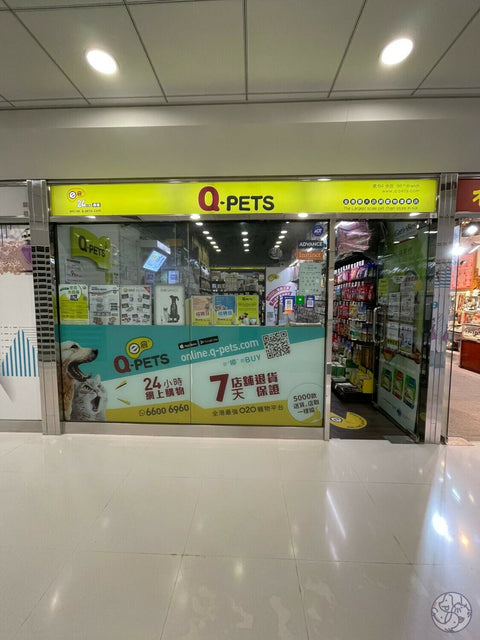
Every animal deserves respect, care and the opportunity to have a safe, permanent home. Since 2019, Q-PETS has completely stopped selling cats and dogs, promoting a no-pet-trading commitment and continuing to support adoption activities that help animals waiting for homes meet prospective families.
Q-PETS works with animal rescue and welfare organisations to organise adoption activities, turning “adopt, don’t shop” from a message into a community initiative people can take part in. Adoption is not simply choosing an animal and taking it home on the same day. It is a complete commitment involving understanding, matching, application, home preparation and lifelong care.
- Q-PETS has completely stopped selling cats and dogs since 2019
- Promotes a no-pet-trading commitment and adoption instead of purchasing
- Works with animal rescue and welfare organisations on adoption activities
- Helps animals waiting for adoption meet suitable prospective families
Creating Another Choice for Animals Through a No-Pet-Trading Commitment
From the moment a pet enters a home, the pet becomes a family member who needs lifelong care. By stopping the sale of cats and dogs and supporting adoption, Q-PETS encourages prospective owners to understand an animal’s actual needs before making a responsible, long-term decision.
Animals available for adoption may have different ages, sizes, health backgrounds, life experiences and adjustment needs. Rather than choosing by appearance alone, prospective adopters should understand the individual animal’s known temperament, daily care requirements, home suitability and the matching requirements of the organisation handling the application.
Understand
Learn about the animal’s age, size, known health history, diet, activity, toilet habits and life experience.
Match
Consider household members, housing, available time, budget, existing pets and long-term care capacity.
Commit
Continue providing food, hygiene, training, companionship, veterinary care and a stable living environment after adoption.
Q-PETS Works with Animal Rescue and Welfare Organisations
Q-PETS and its partner organisations work together to support adoption activities. Each organisation may provide animal information, adoption enquiries, applications and matching follow-up according to its own arrangements. The latest procedures and requirements provided by the relevant organising or co-organising group should always be followed.
PGRS 救援毛守
Paws Guardian Rescue Shelter
香港拯救貓狗協會
HKSCCDA

長洲愛護動物小組
Cheung Chau Animal Care

告別流浪天地
Pawmise Land

香港棄龜關注組
Hong Kong Abandoned Turtle's Concern Group
Partners and attendance may vary by event. Participating organisations, animals attending, application methods and matching procedures should be confirmed through the latest information published by Q-PETS and the relevant partner organisation.
Adoption Activity Location and Time
Time
Every Sunday, 2 pm to 6 pm
Location
Q-PETS D2 Place
Shops 301–303, 3/F, Phase 2, D2 Place
15 Cheung Shun Street, Lai Chi Kok
Check the latest announcement before visiting. Dates, times, partner organisations and animals attending may change, so do not plan a visit using past event information alone.
How Can You Begin at an Adoption Activity?
Visiting an adoption activity does not mean you must decide immediately. Prospective adopters can first learn about the animals attending, discuss their household circumstances with the partner organisation, and then follow that organisation’s application and follow-up requirements.
Review the Event Information
Before visiting, check the latest time, partner organisations, animals attending and enquiry channels.
Speak with the Partner Organisation
Share accurate information about housing, working hours, household members, existing pets, care experience and expected daily arrangements.
Learn About the Individual Animal
Ask about currently known health, diet, activity, toilet habits, previous interactions and adjustment needs.
Follow the Organisation’s Application Process
Assessment, documents, home visits, matching and handover arrangements may differ between organisations. Follow the guidance of the organisation responsible for the animal.
What Should a Household Prepare Before Adoption?
Long-Term Time Commitment
- Daily feeding, cleaning, walking or interaction
- Training and adjustment to a new environment
- Care arrangements during busy periods, travel or hospital stays
Housing and Family Agreement
- Check tenancy or building requirements
- Ensure all household members agree and understand their responsibilities
- Prepare a secure resting area and escape-prevention measures
Continuing Costs
- Food, litter, cleaning and everyday supplies
- Vaccinations, parasite control, neutering and routine veterinary care
- Unexpected treatment, training, grooming or boarding
Suitable Supplies
- Choose according to the animal’s species, age and size
- Confirm the existing diet first and avoid a sudden food change
- There is no need to buy everything before a match is approved
Adoption Is a Long-Term Responsibility, Not a Momentary Decision
Adoption may begin with one meeting, but a genuine family relationship takes time to develop. A newly adopted animal may need a quiet area, a predictable routine, gradual interaction and, where appropriate, veterinary or behavioural support.
- Do not decide immediately because an animal looks appealing
- Do not conceal housing restrictions, existing pets or household circumstances
- Do not assume that every stray or abandoned animal has a complete background history
- Do not force immediate interaction, handling or contact with unfamiliar people
- Do not give a pet as a surprise gift
- Do not decide that a match has failed simply because adjustment is slow
Frequently Asked Questions
When did Q-PETS stop selling cats and dogs?
Q-PETS states that it completely stopped selling cats and dogs in 2019 and began promoting a no-pet-trading commitment.
Where are Q-PETS adoption activities held?
The listed location is Q-PETS D2 Place, Shops 301–303, 3/F, Phase 2, D2 Place, 15 Cheung Shun Street, Lai Chi Kok. Check the latest announcement before visiting.
Are adoption activities held every Sunday?
The listed schedule is every Sunday from 2 pm to 6 pm. As arrangements may change, check the latest information from Q-PETS or the relevant partner organisation first.
Can an animal be taken home on the same day?
The relevant partner organisation determines the application, assessment, matching and handover process, which may not be completed on the same day. Follow the requirements provided by the organisation responsible for the animal.
Will the same partner organisations and animals attend every event?
Not necessarily. Partner and attendance arrangements may vary, so refer to the latest announcement for each event.
What should I prepare before attending for the first time?
Reach an agreement with the household, check housing rules, assess available time and budget, and be ready to describe the household honestly to the partner organisation. Attending an event does not require a same-day adoption commitment.
Conclusion: One Meeting Can Begin a Responsible, Lifelong Commitment
Since 2019, Q-PETS has completely stopped selling cats and dogs and has continued promoting its no-pet-trading and adoption commitment through collaboration with animal rescue and welfare organisations.
Adoption activities give animals waiting for homes and prospective adopters an opportunity to meet, but a suitable match requires honest communication, household preparation, individual assessment and long-term care capacity.
Adoption is more than bringing an animal home. It is a commitment to provide care through every stage of the animal’s life.