Excessive grooming
Excessive grooming is one of the most common behavioral problems in cats. Cats are naturally clean animals and frequently lick themselves to keep clean and stimulate hair loss and circulation. Grooming also serves as a form of self-soothing. Excessive grooming refers to a cat excessively licking, biting, or chewing its own fur, leading to hair loss and skin damage. Cats are more likely to exhibit excessive grooming behavior when they are under excessive stress or anxiety.
Excessive grooming typically occurs on the sides of the abdomen, forearms, or inner sides of the paws, resulting in bald patches or short, coarse hair, as well as abrasions and scratches. Large felines, such as lions and tigers in zoos, also have excessive grooming problems, which are often related to anxiety and stress.
Anxiety and stress often lead to excessive grooming in cats. Cats are habitual animals, living according to routines, and even the slightest, simple change can cause them to behave unusually. For example, the arrival of a new pet or person in the home, changes in diet, litter type, furniture changes, or the owner leaving for vacation can all be causes of behavioral problems. Cats are good at hiding their emotions; even if a cat is anxious or stressed, it may appear perfectly normal except for excessive grooming and protesting behavior.
protesting sexual behavior
Urinating outside the litter box can be caused by medical problems such as kidney disease or urinary tract infection, but it is usually a protest behavior problem. Unfortunately, this is quite common and bothersome.
Cats often exhibit protest behavior in a very visible area (such as on the bed, chair, or table) to ensure they are conveying their message. It's important to remember that cats aren't trying to retaliate against or punish their owners—they simply want you to know they are upset. Punishing a cat won't help, so the best solution is to identify the cause of the problem and try to address it.
Cats are habitual animals, living in a routine manner. Even the slightest and simple change can cause them to behave unusually. For example, the arrival of a new pet or person in the home, changes in diet, changes in litter, changes in furniture, or the owner leaving for vacation can all be reasons for behavioral problems. Cats are good at hiding their emotions; even if a cat is anxious or stressed, it may appear perfectly normal except for excessive grooming and protesting behavior.
Cat scratching behavior
In the wild, scratching is an important behavior for cats, helping them mark their territory and signal to others. Cats typically mark tree or other territorial boundaries with scent and scratch marks.
Make your cat feel safe and comfortable at home
To ensure your cat has a healthy and happy life, the first step is to make them feel at home. Regarding anxiety, animal behaviorists recommend that all cats have their own sleeping and eating areas and litter boxes, although some cats don't mind sharing with other cats. Another great option is a cat tree or a spot near a bed with a view; cats often go there to "see the world" and are entertained for hours.
Make the cat's environment more colorful
A vibrant and varied environment can be incredibly helpful for cats that scratch things everywhere. Try distracting them with a scratching post or cardboard, and applying cat grass to the scratching post can encourage them to use it. We offer a wide selection of scratching posts and cat grass .
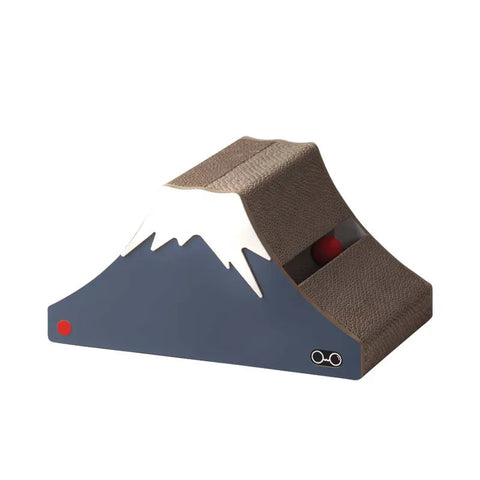
Petree Goes North: Fuji Bobcat Scratching Post
Price: $188.00

Gimcat Junbao: Premium Young and Juicy Cat Grass
Price: $65.00
Some people will cover furniture with double-sided tape, foil, or cellophane to prevent their cats from scratching it. Regular nail trimming also helps; we recommend trimming them about every two weeks. Although cats will still scratch, the damage will be less than with untrimmed nails. High-quality nail clippers will make the process easier.
How to handle aggressive behavior displayed by a cat during play?
The best way to deal with aggressive behavior in cats during play is to observe their behavior. Is it overly excited or agitated? If its pupils are dilated, it appears confused and overly excited, its tail is slowly wagging from side to side, it's crouching with its ears flattened back on its head, or it looks like it's about to jump, the owner can try making noises or whistling to distract it, giving it a short rest and calming it down. Hopefully, with repeated use of these methods, it will learn to stop its overly excited and aggressive behavior. If you are bitten or scratched by your cat during play, do not retaliate, as this will only reinforce its behavior. Instead, immediately stop playing with it and give it at least five minutes to calm down.
How to handle aggressive behavior between cats
Aggressive behavior between cats is difficult to resolve and usually requires environmental changes to allow them to resolve it independently. When a new cat comes home, the existing cats may hiss, which is a perfectly normal reaction. Cats often fight over things, so make sure each cat has its own food bowl, water bowl, sleeping area, and litter box. Over time, the cats will find their own places. If the cats continue to fight over things, take them to another location, separate them for a week, and then bring them back at the same time. This can help redistribute territory in the home.
aggressive behavior
Cats can sometimes have aggression and biting issues, but fortunately, they rarely exhibit true aggression and usually prefer to stay away and remain indifferent when faced with situations they don't like.
The most common form of this happens when the owner is petting them or playing with other cats; they will suddenly turn around and bite or scratch violently.
It's quite common for cats to exhibit aggressive behavior while playing. Some experts believe that playing with other cats helps regulate a cat's behavior. Conversely, if cats don't have companions during their development, they may have difficulty judging what constitutes normal behavior.
Cats do fight, and while it can be quite intense at times, it's fortunately relatively uncommon. In the first week or two after bringing a new cat home, the cat may frequently hiss, bar its fangs, and make a snarling sound. This behavior is a way of asserting its dominance in the household. Cats often establish their hierarchy through fighting. After a few fights, the cat will learn how to get along with its owner.
This might seem like rough behavior to us, but it's acceptable as long as it's not too intense or causes serious injury to the cat. If aggressive behavior between cats results in serious injury, the owner should probably try to find out the real reason they're fighting.
The good news is that we now have several ways to help reduce scratching and aggressive behavior in cats.
Make your cat feel safe and comfortable at home
To ensure your cat has a healthy and happy life, the first step is to make them feel at home. As discussed regarding anxiety, all cats should have separate sleeping, eating, and litter box areas, and these areas should always be available. Some animal behaviorists suggest that cats should have their own sleeping space, food area, and litter box; however, I've found that many cats are quite happy to share. Click here to browse various litter box options.
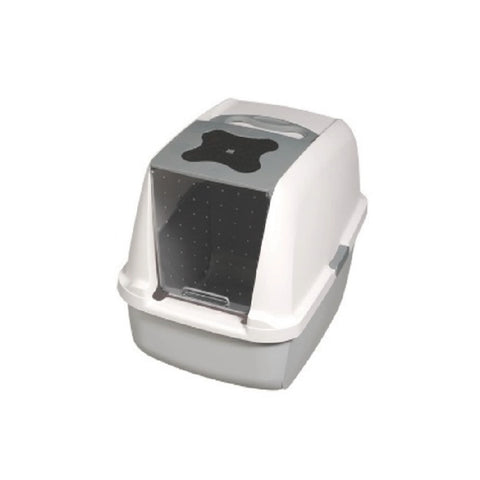
Catit: Gray flip-top roof-style litter box
Price: $293.00
Cat trees or beds with windows offering views are great sleeping spots where cats often "see the world" and get amused for hours.
Rich environment
A rich environment is also very helpful for cats that scratch furniture – try giving them scratching posts or claw bars. Rubbing a small amount of cat grass on the post can encourage the cat to scratch in the permitted area.
Addressing aggressive behavior during play
The best way to deal with aggressive behavior during play is to try and observe if your cat becomes overly excited or agitated during play. Common signs of playful aggression include dilated pupils and mischievous eyes, a slowly wagging tail, and ears flattened against its head. When they seem poised to attack, try distracting them with a loud click or whistle, or temporarily stop playing. Over time, this will help break their excited and aggressive state. If your cat bites or scratches while playing, the best response is not to retaliate—this will only reinforce the behavior. Instead, be assertive, immediately stop playing, and give it five minutes to calm down.
Handling aggression between cats
Genuine cat-to-cat attacks are difficult to resolve simply by changing the environment – but remember, it's normal for cats to hiss and meow when introducing a new cat to another. Cats often compete for resources, so ensure all pets have separate, safe areas for feeding, watering, sleeping, and littering. As the cats settle in over time, it may be possible to group them together in the same area. If they are still fighting after a few weeks, you can separate them, take them out of the house for a week, and then bring them back at the same time. This will help reset any territories or pre-existing areas in the house.
Cat anxiety issues

Is this a behavioral or medical issue?
The first step in addressing the problem is to rule out that the anxiety is a behavioral issue rather than a medical one. Excessive shedding or licking in cats can be caused by skin allergies, dermatitis, or infections; seemingly minor things, such as changing the litter box or an unclean litter box, can also cause a cat to urinate outside the litter box. Cats are picky animals; even if the owner thinks the litter box is perfectly clean, a cat may refuse to use it if there is even a little bit of dirt in it. That said, urinating outside the litter box can also be caused by more serious problems, such as bladder infections, kidney disease, diabetes, or gastroenteritis. Therefore, I recommend a thorough physical examination of your cat before starting any behavioral therapy.
pressure
Anxiety, stress, and boredom are major causes of behavioral problems. Cats with active minds are generally more relaxed and happy, so improving their environment can help prevent or resolve some of these behavioral issues. Many cat toys are available that can stimulate a cat's intelligence and provide emotional support. When the owner is not home, the best toys are those that can pique the cat's interest. Of course, if the owner can dedicate the time, laser pointers and interactive toys can bring a lot of joy to the cat.
Make your cat feel safe and comfortable at home
To ensure your cat has a healthy and happy life, the first step is to make them feel at home. Regarding anxiety, while some cats don't mind sharing sleeping, eating, and litter boxes with other cats, some animal behaviorists recommend that cats should have their own separate sleeping, eating, and litter boxes. However, I've found that many cats are quite happy to share. Click here to browse various litter box options.
Rich environment
A rich environment is also very helpful for cats that scratch furniture – try giving them scratching posts or claw bars. Rubbing a small amount of cat grass on the post can encourage the cat to scratch in the permitted area.
Cat trees or beds with windows offering views are great sleeping spots where cats often "see the world" and get amused for hours.
The above content was provided by Dr. David Gething.